🕊️
Inner Stillness
Build a regular meditation practice and learn to observe thoughts, feelings and impressions without immediately interpreting them as messages.
Discover a contemplative approach to mediumship that begins with inner stillness, deepens through surrender, and emphasizes discernment, humility and spiritual responsibility. This course is designed to help you explore intuitive experiences without allowing fear, expectation or personal ego to dominate your practice.
Presented by Ananta Padmanabha Das

A Transformational Spiritual Training Programme with Ananta Padmanabha Das
Learn the art of surrender. Explore the language of subtle perception. Discover a deeper relationship with spiritual consciousness.
What if mediumship is not about forcing communication, searching for signs, or trying to control a spiritual experience?
In Transcendental Mediumship, you learn to quiet the ordinary mind, soften the dominance of the intellect, and release ego-driven expectations so that you can observe subtle impressions with greater clarity, humility, and awareness.
This programme introduces a distinctive approach to mediumship that integrates contemplative practice, intuitive development, spiritual philosophy, practical exercises, and responsible discernment.
Whether you are beginning your spiritual journey or already practising Akashic Records reading, intuitive work, energy healing, or mediumship, this course offers a structured path for exploring your experiences more deeply.
Transcendental Mediumship is a spiritual approach to perceived communication with the spirit realm, based on three progressive levels of surrender.
In ordinary awareness, the mind is continuously occupied with thoughts, the intellect seeks explanations, and the ego wants to control outcomes. These activities can influence how we interpret inner experiences.
Through meditation, surrender, and disciplined observation, students learn to recognise spontaneous impressions without immediately forcing them into a particular meaning.
Within this spiritual framework, practitioners explore experiences they may interpret as communication with departed souls, spirit guides, celestial beings, or divine consciousness.
The purpose is not to promise supernatural powers. It is to cultivate receptivity, self-awareness, humility, spiritual understanding, and responsible interpretation.
Transcendental Mediumship is presented as a spiritual framework for exploring intuitive and contemplative experiences with a calm mind, a discerning intellect and a humble sense of self.
Build a regular meditation practice and learn to observe thoughts, feelings and impressions without immediately interpreting them as messages.
Explore the three-part practice of surrendering the mind, intellect and ego, allowing space for reflection rather than forcing an experience.
Develop a grounded way to reflect on intuitive impressions, symbolism and personal meaning while remaining open to uncertainty.
The purpose of this approach is not to chase unusual experiences. It is to cultivate steadiness, ethical intention and the ability to notice inner experiences without being controlled by them.
Students are encouraged to keep a journal, reflect carefully, respect personal boundaries and avoid making absolute claims about experiences that cannot be independently verified.
Each level builds on the previous one. The course framework describes spiritual experiences as a matter for careful personal exploration, not as guaranteed outcomes.
Learn to settle the mind and observe thoughts without becoming entangled in them.
Explore how expectations, beliefs and interpretations shape the way an experience is understood.
Reflect on the role of identity and personal desire, and integrate practice into daily life with care.
A repeatable structure can help students approach inner work with consistency instead of pressure or expectation.
Choose a quiet setting, settle your breathing, set a respectful intention and establish personal boundaries.
Practice meditation and notice thoughts, emotions, sensations and images without rushing to label them.
Record what you experienced in neutral language, separating direct observations from later interpretations.
Close the practice, ground yourself and consider any personal meaning with humility and discernment.
Within this course framework, students explore two ways spiritual communication may be experienced. These descriptions are spiritual interpretations, not scientifically established dimensions of consciousness.
Inner and embodied perception
Observe experiences that may arise through present awareness and bodily sensations, without deliberately manufacturing them or automatically attributing them to an external being.
Visualisation and perceived external presence
Explore vivid inner imagery and experiences in which a spiritual figure or scene may seem present, while reflecting carefully on what was experienced and what can be independently verified.
Students learn to notice and record different forms of intuitive experience without assuming every impression comes from a spiritual source.
Clear seeing. Exploring spontaneous mental images, symbols, colours, faces and scenes.
Clear hearing. Observing inner words, phrases, sounds and impressions during contemplative practice.
Clear feeling. Noticing emotional impressions and bodily sensations while considering psychological and physical explanations.
Clear knowing. Examining sudden insights or intuitive impressions that seem to arise without deliberate reasoning.
A proposed eight-module learning journey, combining contemplative practice, spiritual reflection and responsible interpretation.
Surrender, subjective experience and the responsibilities of a spiritual practitioner.
Meditation, focused awareness, observation and working with mental activity.
Pausing premature interpretation, recognising symbolism and recording impressions accurately.
Humility, patience, non-attachment and the difference between receptivity and unquestioning belief.
Practical exercises in visual, auditory, emotional and intuitive perception.
Inner and embodied impressions, visualisation, perceived presence and careful interpretation.
Paramatma in Vaishnava philosophy, devotional reflection, grounding, confidentiality, consent and responsible practice.
Structured exercises, reflective journaling, appropriate peer practice, feedback and a personal development plan.
The eight modules are a proposed curriculum structure. The actual teaching schedule, duration, live sessions and assessment requirements can be confirmed for each course batch.
An Akashic Records reader, spiritual practitioner and teacher dedicated to exploring consciousness, intuitive awareness and spiritual development.
His teaching approach brings together contemplative discipline, spiritual reflection and a devotional orientation rooted in Krishna consciousness.
“The deeper practice is not simply learning how to perceive. It is learning how to become quiet enough to observe, humble enough to question, and responsible enough to interpret an experience carefully.”
Spiritual experiences can feel deeply significant, particularly when grief or deceased loved ones are involved. Ethical practice keeps care for people at the centre.
Respect personal boundaries, seek consent, and protect the privacy of anyone participating in a session.
Do not promise guaranteed contact, claim unquestionable divine authority, or present uncertain impressions as facts.
Never use perceived messages to direct another person's medical, financial or personal decisions. Encourage appropriate professional support when needed.
This programme explores a spiritual framework and subjective experiences. It does not guarantee supernatural communication, and it is not a substitute for medical, psychological, legal or financial advice.
“The deeper practice is to become still enough to observe, humble enough to question, and compassionate enough to act responsibly.”
A guiding reflection for Transcendental Mediumship
This course may suit people who want to explore meditation, intuition and spiritual reflection in a structured learning environment.
Those who want a steady foundation in meditation, self-observation and reflective practice.
Those seeking a more disciplined and discerning approach to their existing spiritual practice.
Those interested in compassionate listening, boundaries and responsible communication.
Explore teachings, reflections and guided insights related to Transcendental Mediumship. Select a video below to watch it directly on this page.
Watch this featured video as an introduction to the subject. More videos can be added to this gallery in the same organised format.
To expand the gallery, add each YouTube video as another video card using its video ID.
No prior experience is required for the foundation level. A willingness to practise regularly, reflect honestly and respect personal boundaries is helpful.
No. Experiences vary from person to person, and no particular perception or spiritual communication can be guaranteed. The emphasis is on practice, reflection and discernment.
Within this course framework, it means learning to quiet mental activity, hold interpretations lightly and reduce the need for personal validation or certainty.
No. Spiritual practice is not a substitute for qualified medical or mental-health support. Students should pause practices that cause distress and seek appropriate professional help when needed.
The course fee is ₹15,000. Submit the enrollment form below to view the UPI QR and payment details.
Complete the enrollment form below. After your details are saved, the page will show the payment QR and bank details.
Share your details to register for Transcendental Mediumship with Ananta Padmanabha Das. After submitting, the UPI QR and bank transfer details will appear.
Your registration details have been received. Pay the course fee of ₹15,000 by bank transfer or UPI, then confirm it with us on WhatsApp.
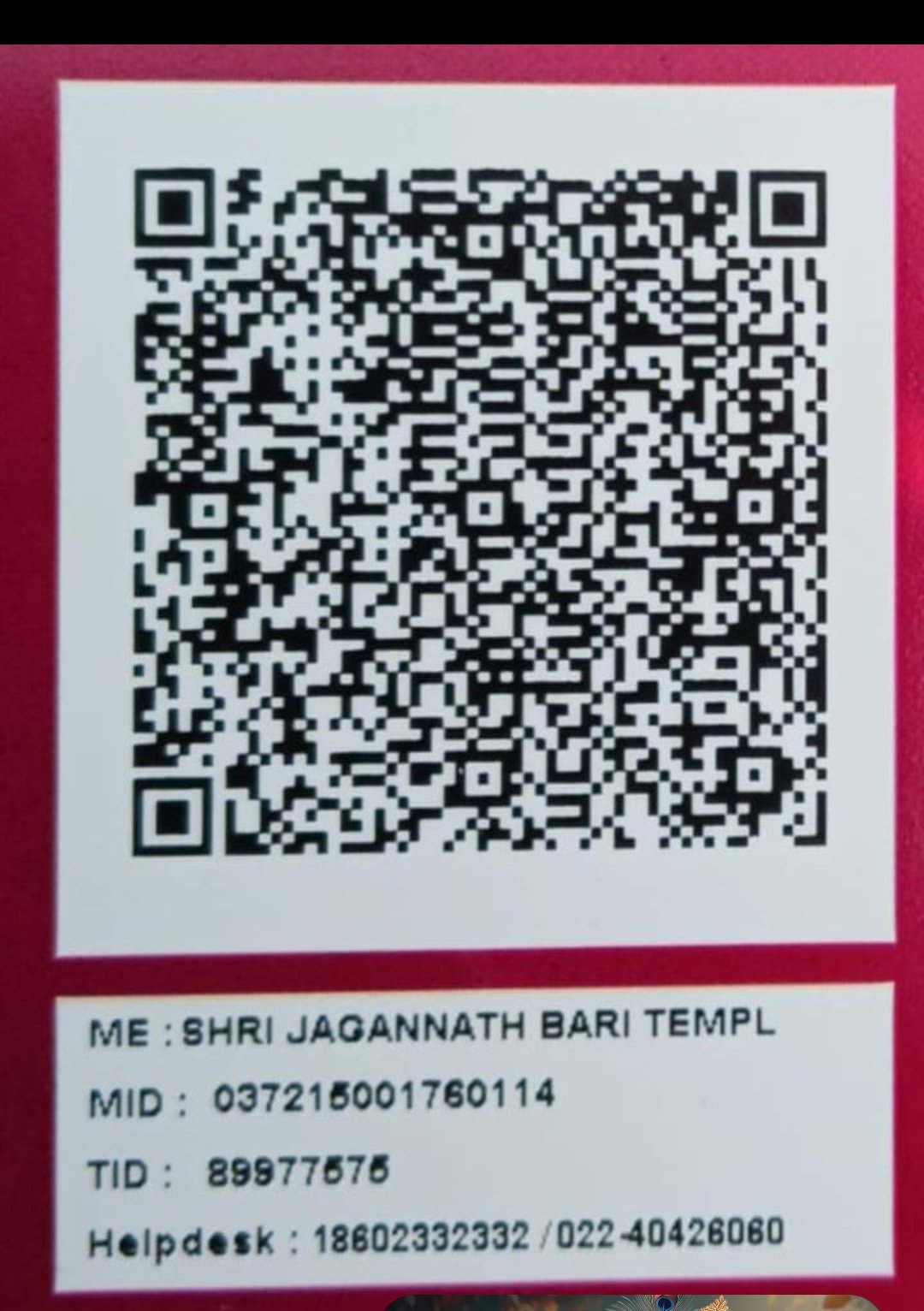
Enrollment is confirmed after payment is received and verified. Keep your payment reference or screenshot ready when you message us.
We’ve received your details. Contact us on WhatsApp and we’ll answer your questions about the course.
This course presents a spiritual and contemplative framework. Subjective experiences are personal and should not be treated as independently verified facts or as a replacement for professional care.
Explore your inner world with patience, humility, discernment and compassion.
Enroll · ₹15,000